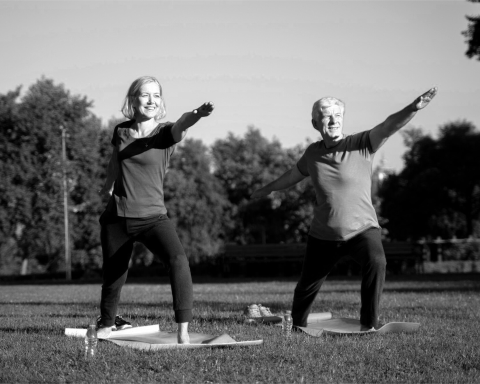


One week it’s a new exercise craze; the next it’s superfoods. Many people aspire to live long, healthy lives, but become overwhelmed by conflicting health advice. This leaves them uncertain about which habits to change and where to focus their energy.
Research across multiple large-scale studies has identified specific evidence-based habits that can consistently predict longer, healthier lives, as ultimately the truth behind longevity is that it doesn’t require extreme protocols or complicated routines.
A healthy lifestyle, supported by the specific interventions discussed below, can significantly influence healthy aging. Thus, this article will serve as a simple, research-backed longevity blueprint, with practical habits woven into support for physical, mental, and emotional well-being.
Discover and apply science-backed longevity habits to boost your health, energy, and lifespan today.
The longevity blueprint: Foundations of a long, healthy life
If you want to build a life that lasts — and feels good along the way — it helps to look at what’s already working. In the world’s “blue zones,” where living past 100 is not unusual, longevity isn’t driven by extremes or quick fixes, but by simple, repeatable habits practiced consistently over time.
Science now supports what these communities have long modeled. Healthy aging is closely linked to reducing chronic inflammation and oxidative stress while strengthening the systems that keep the body resilient, including brain health, immune function, and emotional regulation.
In other words, longevity isn’t just about adding years. It’s about extending your disease-free, high-functioning years.
Research published in Brain Sciences and other peer-reviewed journals shows a clear pattern: people who follow sustainable lifestyle habits — balanced nutrition, regular movement, quality sleep, and strong social connections — are more likely to live longer without major chronic conditions such as cardiovascular disease, diabetes, or cancer. These habits work together, reinforcing one another to create a compounding effect over decades.
More than that: genetics typically accounts for only about 20–30% of lifespan. That means the majority of how your daily choices and environment influence your age.
Your longevity blueprint rests on three core pillars:
- Nutrition that reduces inflammation and fuels long-term health
- Exercise that supports cardiovascular strength and muscle preservation
- Sleep and stress management that restore and protect your body and brain
Together, these foundations give you meaningful influence not just over how long you live, but also over how well you live.
Nourishing your body with balanced, longevity-focused nutrition
To strongly shape health and longevity, dietary patterns matter greatly: a healthy diet revolves around nutritious, nutrient-rich foods, while unhealthy versions often rely on refined grains, sweetened drinks, and processed products that increase risk.
A good example of a great diet is the Mediterranean diet. This diet is a model rich in vegetables, fruits, whole grains, legumes, nuts, olive oil, and moderate amounts of fish. Similarly, a plant-based diet could lower mortality and reduce the risk of cardiovascular disease and cancer.
The Mediterranean and plant-based diets are excellent alternatives to ultra-processed foods.
These foods are loaded with added sugars, unhealthy fats, sodium, and additives, which predispose you towards potential chronic diseases such as diabetes, cardiovascular illness, and cancer.
Minimizing your intake of processed foods while improving your diet will likely provide the essential nutrients, fiber, healthy fats, and other macronutrients, along with antioxidants, needed to sustain long-term vitality.
Strengthening your body through aerobic and anaerobic exercise
Movement is one of the most powerful and proven longevity tools available — and the benefits build over time.
Research consistently shows a dose-response relationship between physical activity and lifespan: the more consistently you move, the lower your risk of chronic disease and premature mortality.
Aerobic exercise — such as walking, cycling, swimming, or running — strengthens your heart and improves circulation, helping deliver oxygen and nutrients efficiently throughout the body.
Over time, this supports cardiovascular health, enhances lung function, improves insulin sensitivity, and reduces systemic inflammation. Regular aerobic activity is strongly linked to a lower risk of heart disease, stroke, and metabolic conditions, which are all major drivers of aging.
But longevity isn’t just about your heart. It’s also about preserving muscle. As people age, sarcopenia, the gradual loss of muscle mass and strength, becomes more common and increases the risk of frailty, falls, and loss of independence.
Anaerobic exercise, particularly resistance training, helps counteract this process. Strength training preserves lean muscle, supports bone density, improves glucose metabolism, and contributes to healthier blood pressure and cholesterol levels.
The real advantage comes from combining both. Aerobic training protects your cardiovascular system, while resistance training preserves strength and structural resilience. Together, they create a foundation for long-term vitality.
Read more: Healthy Diet for Mental Health: How Food Fuels Your Mind
Supporting your mind and body with restorative sleep and stress balance
Longevity isn’t built on movement and nutrition alone. Sleep and stress regulation are equally foundational — yet often overlooked. How well you rest and how effectively you manage stress directly shape inflammation levels, immune strength, metabolic health, and cognitive function over time.
Sleep is not passive. During consistent, high-quality sleep, your body repairs tissue, regulates hormones, consolidates memory, and recalibrates immune defenses. Irregular or insufficient sleep has been associated with higher mortality risk, metabolic dysfunction, and accelerated aging. Maintaining a consistent sleep–wake schedule helps align your circadian rhythm — the internal clock that governs metabolism, immunity, and brain performance. When this rhythm is disrupted, as often seen in chronic shift work or erratic schedules, inflammation and long-term health risks increase.
Stress compounds the issue. Chronic elevation of cortisol, the body’s primary stress hormone, can impair immune function, increase visceral fat storage, raise blood pressure, and contribute to cognitive decline. Over time, unmanaged stress quietly undermines the very systems that protect long-term health.
Importantly, sleep and stress exist in a bidirectional cycle: poor sleep heightens stress reactivity, and elevated stress disrupts sleep quality. Breaking this loop is essential to extending both lifespan and healthspan.
Practical strategies make a measurable difference, as discussed below.
Practical ways to implement longevity-supporting habits
To translate knowledge into consistent action, you should understand the science behind longevity. The following sections demonstrate that sustainable habit formation, not perfection, drives long-term health outcomes.
Build a sustainable, healthy eating routine
Start by making healthy eating simple and repeatable. Creating a lasting dietary change should be highly sustainable, rather than perfect.
Most standards promote effective strategies for maintaining nutritional eating patterns while reducing food waste and decision fatigue – it doesn’t require you to adhere to a specific diet all the time.
Here are some tips:
- Using flexible templates. Plan meals that combine protein, fruits, and whole grains for breakfast and similar balanced pairings for lunch and dinner.
- Meal prep and batch cook. You can save time and reduce daily cooking stress by using batch cooking and meal prep to prepare and freeze staples like your grains, proteins, and vegetables.
- Shop strategically for nutrition. Focus on the outer edges of your local supermarkets for fresh, minimally processed foods. Choose seasonal, local produce whenever possible.
- Pay attention to hunger cues. Eat slowly and visually ensure that half your plate consists of fruits and vegetables, and practice mindful eating.
- Prioritize adequate protein intake (1.2–1.5 g/kg body weight daily). Consume for muscle health while focusing on adding nutrient-dense food. Staples rather than restricting to foster a more sustainable, healthy eating habit.
To avoid any eating disorder, focus on adding rather than restricting, as fixating on foods to eliminate can lead to more restricting, which can make dietary changes feel less sustainable over time.
Instead, add nutrient-dense options like vegetables, whole grains, legumes, and nuts and seeds, which can provide a positive framework for making dietary changes feel less restrictive and more sustainable over time.
Create a consistent exercise plan for lifelong movement
A longevity-focused routine doesn’t require extremes — it requires consistency. Prioritize showing up regularly before increasing intensity. Sustainable structure, paired with flexibility, is what keeps you moving for decades.
- Combine aerobic exercise and resistance training. Add both to a balanced weekly schedule of three to four workouts. Alternate between strength and cardio, allowing one to two rest or light activity days.
- Schedule workouts as non-negotiable appointments. Dedicate 30 to 45 minutes per session and anchor them to consistent days or times to reinforce habit formation
- Focus on foundational compound movements. Use bodyweight exercises or resistance bands two to three times per week, prioritizing squats, lunges, push-ups, rows, and planks to build functional strength.
- Track progress intentionally. Journal workouts, record weights or distances, and note how you feel afterward to strengthen motivation and monitor improvement.
- Incorporate daily movement beyond workouts. Take the stairs, walk more frequently, stand intermittently, and pursue active hobbies to increase overall activity levels.
Start with lighter intensity and shorter duration if you’re new to exercise, then increase volume or intensity over time while preserving rest days to allow adaptation and growth.
Protect your health through sleep optimization and preventive care
Sleep and preventive care form the protective layer of your longevity blueprint.
While exercise and nutrition build strength, quality sleep and proactive health monitoring help preserve it. Consistent routines, supportive environments, and early detection strategies work together to extend both lifespan and health span.
- Prioritize seven to nine hours of sleep nightly. Go to bed and wake up at the same time every day — including weekends — to reinforce your circadian rhythm and improve sleep consistency.
- Create a sleep-supportive environment. Keep your bedroom cool, dark, and quiet. Use blackout curtains, eye masks, earplugs, or white noise if needed, and invest in a supportive mattress and pillow.
- Establish a calming bedtime routine. Wind down 30 to 60 minutes before bed with relaxing activities such as reading, gentle stretching, meditation, or soft music. Dim lights and avoid screens or stimulating tasks.
- Support sleep with smart daytime habits. Get morning sunlight to regulate your internal clock, exercise regularly (but not within three hours of bedtime), limit caffeine after early afternoon, and avoid heavy late-night meals.
- Incorporate stress-reduction practices. Spend 10 to 20 minutes on mindfulness meditation, controlled breathing, or body scan exercises to lower cortisol and improve sleep quality.
- Stay proactive with preventive care. Schedule regular health screenings, monitor key biomarkers, and maintain strong social connections to support mental and physical resilience over time.
By pairing consistent sleep habits with preventive health strategies, you strengthen the systems that allow you to age with vitality — not just longevity.
Possible supplementary modifications
Beyond daily habits, a few additional strategies can further strengthen your longevity blueprint. These aren’t drastic changes — they’re proactive safeguards that protect your long-term health.
- Schedule routine preventive screenings. Follow evidence-based guidelines for blood pressure, cholesterol, glucose levels, and age-appropriate cancer screenings. Early detection of conditions like hypertension, diabetes, and certain cancers significantly improves treatment outcomes and reduces mortality risk.
- Personalize screening frequency to your risk profile. Work with a healthcare provider to determine timing based on your age, sex, family history, and lifestyle factors. Prevention is most effective when it’s tailored.
- Prioritize meaningful social connections. Invest time in relationships with family and friends, or join community groups aligned with your interests. Strong social ties are consistently associated with longer survival — in some studies, rivaling or exceeding traditional health behaviors in predictive value.
These supplementary habits reinforce the foundation you’ve built — helping ensure that your added years are not only longer, but healthier and more connected.
In conclusion
Longevity advice can feel overwhelming, filled with competing trends and complex recommendations. Yet the evidence consistently points back to a small number of simple, sustainable habits that deliver the greatest impact over time.
At its core, the longevity blueprint rests on a few foundational pillars: eating mostly whole, minimally processed, plant-forward foods; combining regular aerobic exercise with strength training; prioritizing seven to nine hours of consistent, high-quality sleep; managing stress through mindfulness and movement; nurturing strong social connections; and staying proactive with preventive health screenings.
Together, these habits work synergistically. They lower chronic disease risk, preserve strength and cognitive function, protect independence, and extend both lifespan and health span.
Start small and build consistently. Incremental, sustainable changes compound over time. The path to a longer, healthier, and more fulfilling life isn’t extreme. It’s intentional.
If you want to see more resources on the Mediterranean diet, DASH diet, aerobic training, anaerobic training, social connections, sleep hygiene, bedtime routines, or screening tests, check out the Longevity Science Labs. The lab uses the research of the Institute for Life Management Science to produce courses, certifications, podcasts, videos, and other tools. Visit the Longevity Science Labs today.

Photo by Freepik