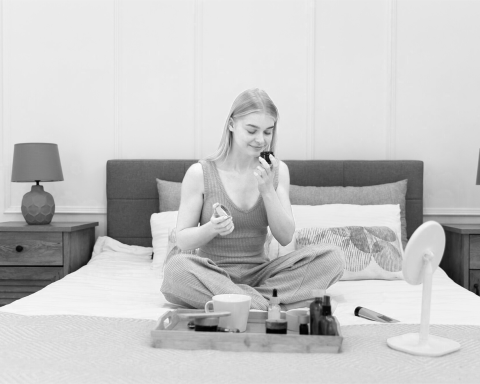

Have you ever walked into your bedroom and felt like something’s missing? You feel like it is bright enough to look around, but not warm enough to relax. Or perhaps your space doesn’t feel as intimate and cozy as you envisioned. Creating the right environment and mood often comes down to one overlooked factor: lighting.
Many bedrooms depend on a single overhead bulb, leaving your space flat and uninviting. Without intentional layering of light, the room can feel too dim for everyday functions or too bright for unwinding. This common mistake makes it challenging to create a romantic, cozy environment, especially for couples setting up a shared, warm home.
In this article, you will explore how to layer light using task, ambient, and accent lighting to balance both functionality and romance. This article will share bedroom lighting techniques and creative lighting styles, highlighting the benefits of bedroom lighting.
Keep reading to discover practical ideas to help you create an intimate bedroom.
Understanding layered lighting techniques
Creating an intimate bedroom begins with understanding how different kinds of lighting influence comfort and mood. Research on home lighting experience shows that lighting affects relaxation, restfulness, emotional warmth, and even relationships, making it an essential factor in creating a cozy space.
Usually, a couple has a tight rhythm during the day due to work responsibilities, so they need a calm and relaxing atmosphere at night.
In this case, having proper lighting in homes, especially bedrooms and areas used for activities or for dinner, is crucial for creating a sense of intimacy and calm. For instance, when a couple watches TV and chats at the same time, they need bright and warm light to achieve a harmonious home feeling.
Layered lighting is fundamental to lighting design. But what is it, and how can you create it? The following are the types with their benefits:
- Task lighting. It is typically used for specific tasks in specific places. For example, when you’re working, sewing, or reading, you’ll want a light that illuminates your work directly. This provides functional lighting for specific tasks.
- Ambient lighting. This lighting layer brightens the space and allows you to move around the room to perform routine activities. This may include certain lighting. For example, if rooms are small, one or two lights are sufficient to provide adequate ambient light.
- Accent lighting. Like ambient lighting, it creates a warm ambience that supports entertainment, playing, and educational activities. More specifically, it highlights particular objects, such as shelves, artwork on the wall, and plants.
The combination of these layered lighting techniques creates ambience, sets an emotional scene, and supports both lighting and functional needs. Consequently, layered elements promote a higher quality of life, moving beyond the purpose of mere illumination.
Read more: Bright Ideas: How Lighting Enhances Home Organization and Productivity
Practical tips for creating an intimate bedroom
Once you understand the importance of layering light, explore actionable and evidence-based tips to do it for yourself. It will ensure your bedroom lighting is not only visually appealing but also supports relaxation and emotional connection.
Follow the lighting styles below to transform your space into a cozy retreat that balances everyday practicality and romance.
Choose warm color temperatures
Warm lighting creates a calm and emotionally soothing atmosphere.
Experts recommend using warm-white bulbs between 2700K and 3000K, which cast a flattering, soft glow that helps your body unwind in the evening.
Additionally, a simple rule is to use cooler and brighter light when needed in daytime functions (e.g., work or tasks), and switch to warm dimmer lighting at night to help your body relax and maintain healthy sleep hygiene.
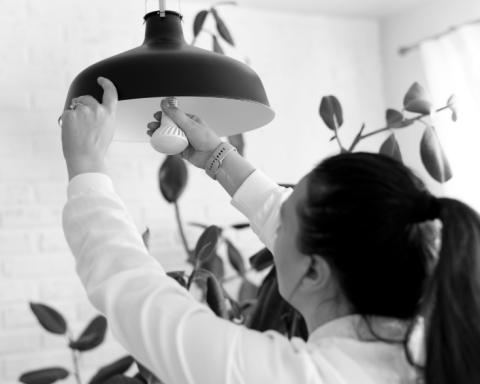
To switch between functional daytime lighting and relaxing nighttime lighting, use adjustable solutions such as tri-color LED bulbs, smart bulbs, or lamps with built-in color-temperature controls. These options will allow you to shift from cool, bright light during the day to warm, dim tones in the evening without changing fixtures, promoting a healthy sleep environment.
It is recommended to use electric lighting that is brighter and has a cooler white color appearance from mid-morning till early afternoon; however, you need to dim it down and set it to a warmer white color appearance at the end of the day.
Use dimmers and layered control
Lighting plays a key role in shaping your home’s atmosphere and functionality. By installing smart dimmers and layered lighting, you can adapt your space to support productivity, relaxation, or sleep without touching a single switch.
Smart switches and dimmers enable you to control lights, allowing brightness adjustments and lighting schedules to be managed via voice assistants or apps without changing fixtures. On the other hand, dimmers, available as plug-in options or wall controls, allow fine-tuning of lighting intensity to suit different moods.
Here are some tips:
- Start with dimmers for instant mood control. If you’re looking for a quick upgrade, start by installing smart dimmers. These devices let you adjust brightness with voice commands or a smartphone app. You can use them to soften lights at dinner, create intimacy in the bedroom, or minimize harsh glare when winding down at night.
- Layer your lighting for a flexible ambience. Instead of relying on a single overhead light, use multiple light sources — ceiling, floor, and table lamps — to create layered lighting. Then, connect each to a smart switch or plug. This setup lets you mix brightness levels to suit different moods or tasks.
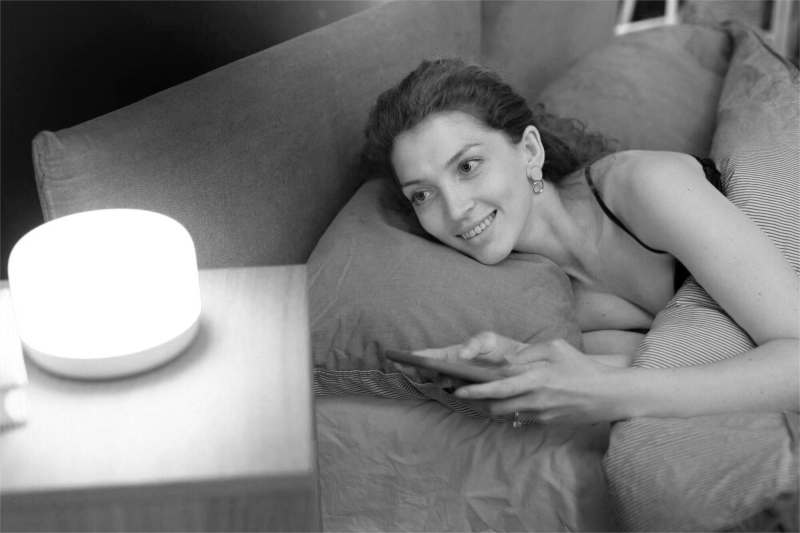
- Use nighttime lighting to support your sleep cycle. Avoid switching on bright lights if you wake up during the night. Instead, set up low-level bright lighting (under 3000K in color temperature) that activates via motion sensors or voice command. This preserves melatonin levels and keeps you from feeling overly alert when trying to fall back asleep.
Balance symmetry and softness
Design a balanced lighting layout to ensure your bedroom feels harmonious instead of harsh and cluttered.
This can be done by placing lamps, for example, on both sides of the bed to provide balanced visual fields for comfort. Additionally, pairing this with soft bulbs can enhance the calming effects of layered lighting, which is essential for cozy bedroom atmospheres.
Furthermore, softness can be achieved through light “zones” (pools of glow rather than a single overpowering source).
This can be achieved by placing warm sconces, soft-glow LED strips, or small lamps in the corners. Ultimately, reduces glare and promotes emotional relaxation. These room lighting ideas support intimacy without compromising functionality or practical visibility.
Learn more: Mastering Home Organization with Color, Decor, and Lighting | Room by Room
Add personal touches
Lighting becomes more intimate for couples or newlyweds when it reflects their personality. Decorative lighting can be used to build a unique emotional tone that strengthens a positive mood:
- Lantern-style lights. Create a grounded and warm glow that adds a sense of emotional closeness and calm.
- Soft string lights. Introduce a romantic and gentle ambience, softening the room and encouraging relaxation time.
- Sculptural lamps. Add an artistic element to your bedroom to reflect your personal aesthetic and shared identity.
- Warm fairy lights. Layer fairy lights to create an intimate and cozy backdrop, enhancing mood and supporting meaningful interactions.
These minor additions can encourage creative lighting and make the bedroom feel more personal. By combining comfort with personal expression, couples naturally experience a more intimate atmosphere.
Blend style with comfort
Matching your lighting style, whether you choose rustic, modern, or minimalist, with cozy textures can enhance emotional warmth.
Research on the relationship between lighting and human psychology suggests that choosing lighting that complements your decor improves mood and function, thereby prioritizing both emotional connection and aesthetics.
You can also pair your chosen style with comforting features, such as warm bedding fabrics, soft rugs, and a sleek modern lamp, along with plush throws, to create a more intimate bedroom.
In conclusion
A single overhead light can make even the most beautifully designed bedroom feel flat and cold. Nobody wants that, much less couples decorating their bedroom. The solution is layered lighting techniques. Through this, you can transform your bedroom space into a more inviting and warm environment, nurturing both emotional connection and relaxation.
At the end of a long, tiring day, your bedroom should offer you gentleness. When lighting is appropriately layered, the room naturally shifts with you. With this article, you can embrace control and warmth to make your bedroom more than just a place to sleep. It becomes a shared space that supports comfort and connection.
It can help you craft room spaces that are not only visually appealing but also emotionally comforting, while meeting daily needs. The combination of dimmers, soft warmth, and personal touches supports both practical use and a calming atmosphere.
Experiment with dimmers and warm bulbs, and discover how layering light can create a perfect, intimate bedroom space.
If you want to see more resources on lighting or bedroom organization, check out the Home Organization Science Labs. The lab uses the research of the Institute for Life Management Science to produce courses, certifications, podcasts, videos, and other tools. Visit the Home Organization Science Labs today.

Photo by Freepik